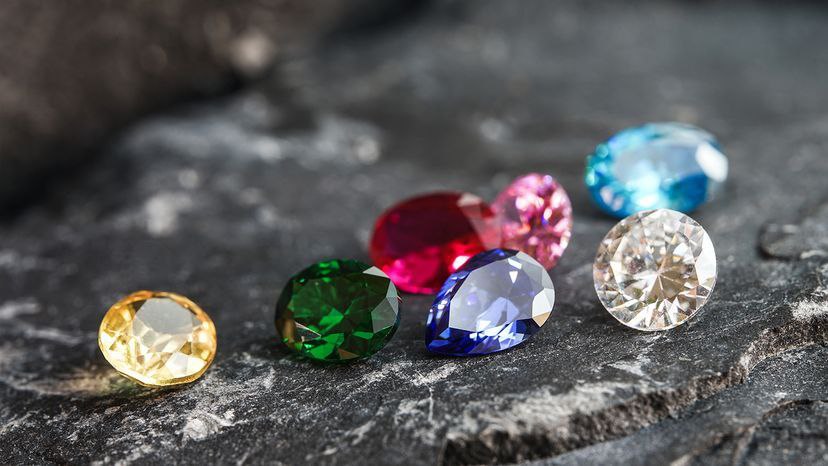
Gemstones are the ultimate intersection of geology and art. Formed deep within the Earth over millions of years, these minerals (and a few organic materials) are prized for their beauty, rarity, and durability.
Here is a breakdown of what makes a stone a “gem” and how they are categorized today
Gemstones are the ultimate intersection of geology and art. Formed deep within the Earth over millions of years, these minerals (and a few organic materials) are prized for their beauty, rarity, and durability.
Here is a breakdown of what makes a stone a “gem” and how they are categorized today.
💎 The Big Three Criteria
To be considered a gemstone, a mineral generally needs to meet three standards:
Beauty: This includes color (hue, tone, saturation), clarity (transparency), and brilliance (how it reflects light).
Durability: Measured by the Mohs Scale of Hardness. For example, Diamonds are a 10, making them perfect for daily wear, while Talc is a 1.
Rarity: The harder it is to find, the higher the value. This is why a high-quality Ruby can sometimes cost more per carat than a Diamond.The Classification: Precious vs. Semi-Precious
While the distinction is mostly a marketing leftover from the 19th century, it is still widely used in the jewelry industry: